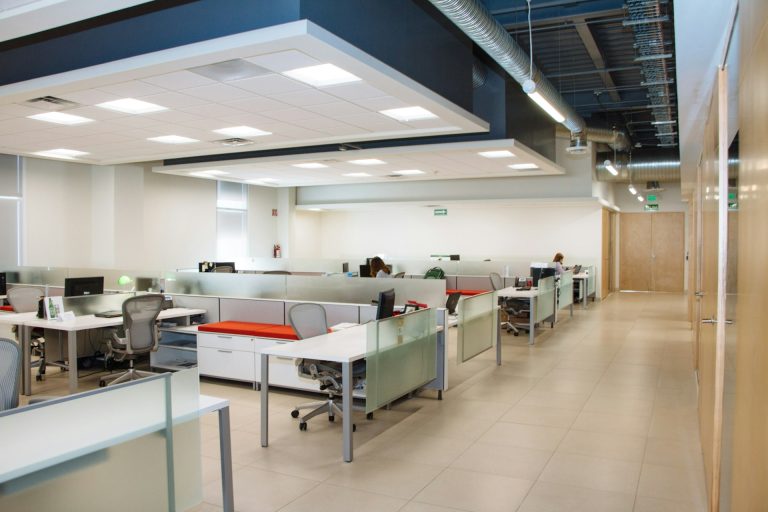

Most offices in Nairobi look clean at first glance. Floors are mopped. Bins are emptied. Desks are wiped. But what you don’t see is what often causes problems. Dust behind cabinets. Germs on shared equipment. Stains deep inside carpets. Odors trapped in ventilation systems. Office Cleaning Checklist!
This is the hidden cleaning checklist most Nairobi businesses ignore — and it directly affects employee health, air quality, and your company’s professional image.
Let’s break it down.
High-Touch Surface Disinfection (Not Just Wiping)
Wiping a surface is not the same as disinfecting it.
Commonly ignored high-touch areas include:
- Door handles
- Light switches
- Lift buttons
- Printer touch screens
- Reception desks
- Shared telephones
In busy commercial hubs like Westlands and Upper Hill, hundreds of hands may touch these surfaces weekly.
Professional cleaning follows structured disinfection protocols aligned with hygiene guidance from the World Health Organization — including proper chemical dwell time to actually kill bacteria.
What should happen:
- Use of approved disinfectants
- Correct dilution ratios
- Documented cleaning frequency
- Staff training on sanitation standards
Surface wiping alone is not protection.
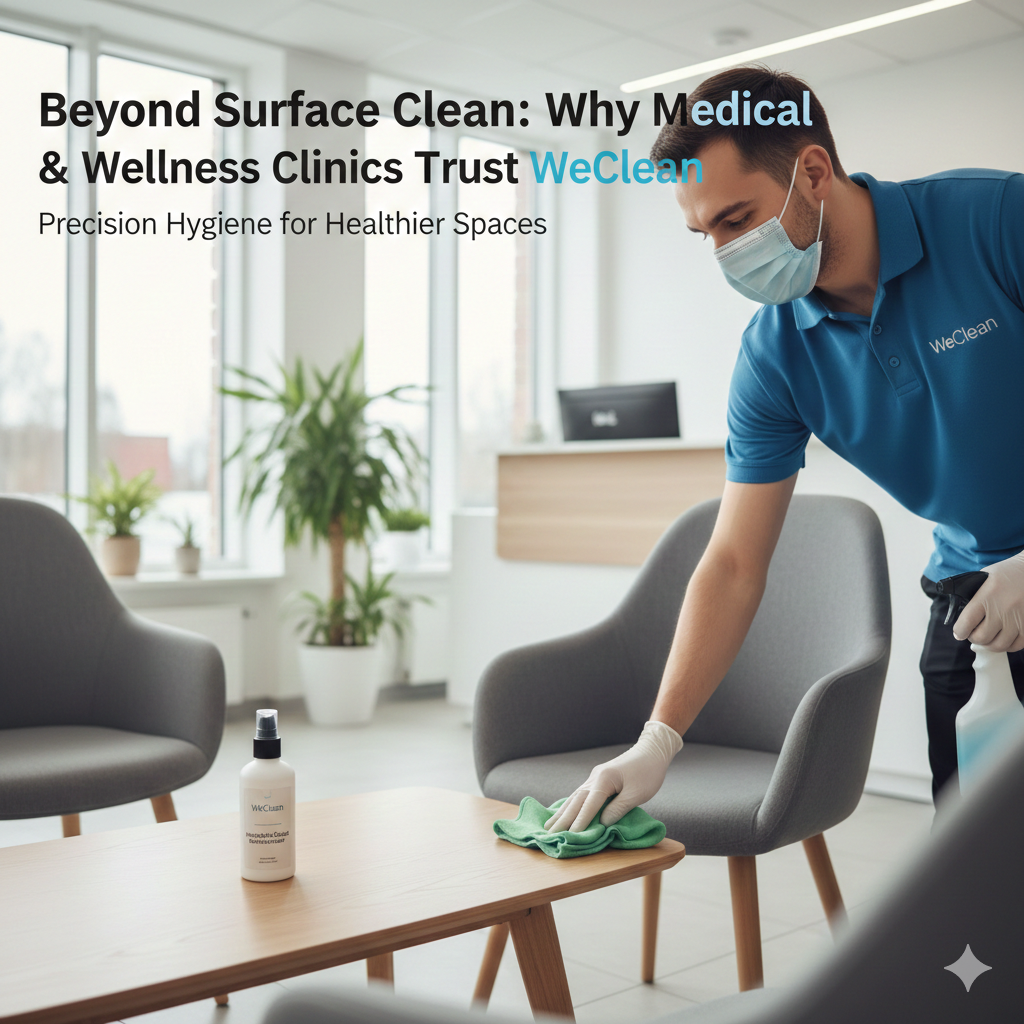
Carpet Deep Cleaning (Beyond Vacuuming)
Vacuuming removes surface dirt.
It does not remove:
- Embedded dust
- Allergens
- Trapped moisture
- Bacteria
Nairobi’s dry seasons increase dust accumulation. Rainy seasons bring mud that settles deep into carpet fibers.
If your office carpets haven’t been professionally shampooed within 3–6 months, they are likely harboring hidden contaminants.
Often ignored checklist items:
✔ Scheduled extraction cleaning
✔ Spot and stain treatment
✔ Odor neutralization
✔ Drying control to prevent mold
Routine vacuuming maintains appearance. Deep cleaning protects hygiene.
Air Vents & AC Units
Air systems are one of the most overlooked areas in commercial cleaning.
Dust builds inside:
- Ceiling vents
- Wall AC units
- Duct openings
Once the system turns on, dust circulates through the entire office.
Industry standards recognized by ISSA recommend periodic inspection and cleaning of ventilation systems to maintain indoor air quality.
Ignoring this step can result in:
- Increased allergies
- Persistent dust on surfaces
- Poor air circulation
Clean air begins with clean ventilation.
Under-Furniture & Behind-Equipment Cleaning
Most casual cleaning avoids difficult areas.
That includes:
- Under desks
- Behind filing cabinets
- Around server equipment
- Storage room corners
Out of sight becomes out of mind.
But these areas collect:
- Thick dust layers
- Pests
- Moisture buildup
A structured office cleaning plan rotates furniture periodically to access hidden dirt zones.
Washroom Deep Sanitization
Daily washroom cleaning often focuses on visible surfaces.
But deep sanitation requires attention to:
- Tile grout scrubbing
- Urinal descaling
- Drain cleaning
- Wall-to-floor joints
- Behind toilet fixtures
Persistent washroom odors usually originate from these neglected areas.
Workplace hygiene expectations in Kenya are reinforced by regulatory bodies such as the Directorate of Occupational Safety and Health Services, which emphasizes safe working environments.
If your washroom still smells despite daily cleaning, deep sanitization is missing.
Upholstery & Office Chair Cleaning
Fabric chairs absorb:
- Sweat
- Dust
- Food particles
- Odors
Yet many offices never clean them professionally.
Over time, this creates:
- Lingering smells
- Visible staining
- Reduced furniture lifespan
Professional upholstery cleaning every 4–6 months keeps your workspace fresh and hygienic.
Kitchen & Breakroom Deep Cleaning
Office kitchens are high-risk contamination zones.
Frequently overlooked areas:
- Inside microwaves
- Refrigerator handles
- Cabinet interiors
- Under sinks
- Grease buildup behind appliances
Surface wiping does not remove bacteria or grease accumulation.
Deep cleaning ensures food areas remain sanitary and pest-free.
Why Nairobi Businesses Overlook These Items
Common reasons include:
- Hiring a single general cleaner without commercial training
- Budget-focused cleaning instead of hygiene-focused cleaning
- No structured cleaning checklist
- No documented cleaning schedule
The result?
An office that appears clean — but fails basic sanitation standards.
Professional Cleaning vs Casual Cleaning
| Casual Cleaning | Professional Commercial Cleaning |
|---|---|
| Surface wiping | Structured disinfection protocols |
| No logs or documentation | Cleaning reports & schedules |
| Avoids hard-to-reach areas | Full-access cleaning approach |
| Vacuum only | Deep carpet extraction |
| Reactive cleaning | Preventative hygiene planning |
The difference becomes visible in employee wellbeing and client impressions.
What a Proper Office Cleaning Plan Should Include
A structured cleaning plan should cover:
- Daily high-touch disinfection
- Weekly detailed workstation cleaning
- Monthly under-furniture access cleaning
- Quarterly carpet and upholstery cleaning
- Scheduled air vent inspection
- Washroom descaling programs
If your current cleaning provider cannot clearly outline these steps, important hygiene layers may be missing.
Warning Signs Your Office Is Missing This Checklist
- Dust reappears quickly after cleaning
- Persistent odors
- Increased staff allergies
- Stains that never fully disappear
- Washrooms that smell despite daily attention
These are not minor inconveniences. They are hygiene red flags.
Upgrade Your Office Cleaning Standards
If you want a structured, professional cleaning system tailored to your office size, traffic levels, and location in Nairobi, consider working with a commercial cleaning team that follows documented procedures — not guesswork.
A clean office should not just look clean.
It should be deeply sanitized, consistently maintained, and professionally managed.
Ready to review your current cleaning standards? Schedule an office assessment and upgrade your cleaning checklist today.