
How Often Should You Deep Clean Your Office in Nairobi?
Last rainy season, we received several calls from offices in Nairobi areas like Upper Hill and Westlands dealing with muddy carpets, dusty workstations, and stale office air. Even offices that cleaned daily noticed dirt building up in places regular cleaning could not reach.
This is a common problem in Nairobi offices. Dust from traffic, frequent foot movement, shared spaces, and changing weather conditions can quickly affect office hygiene. Regular wiping and sweeping help, but they are not enough on their own.
That is where Office Deep Cleaning in Nairobi becomes important. Deep cleaning helps remove hidden dirt, bacteria, allergens, and odors that build up over time. It keeps the workspace healthier, more comfortable, and more professional for both employees and visitors.
Regular Cleaning vs Deep Cleaning
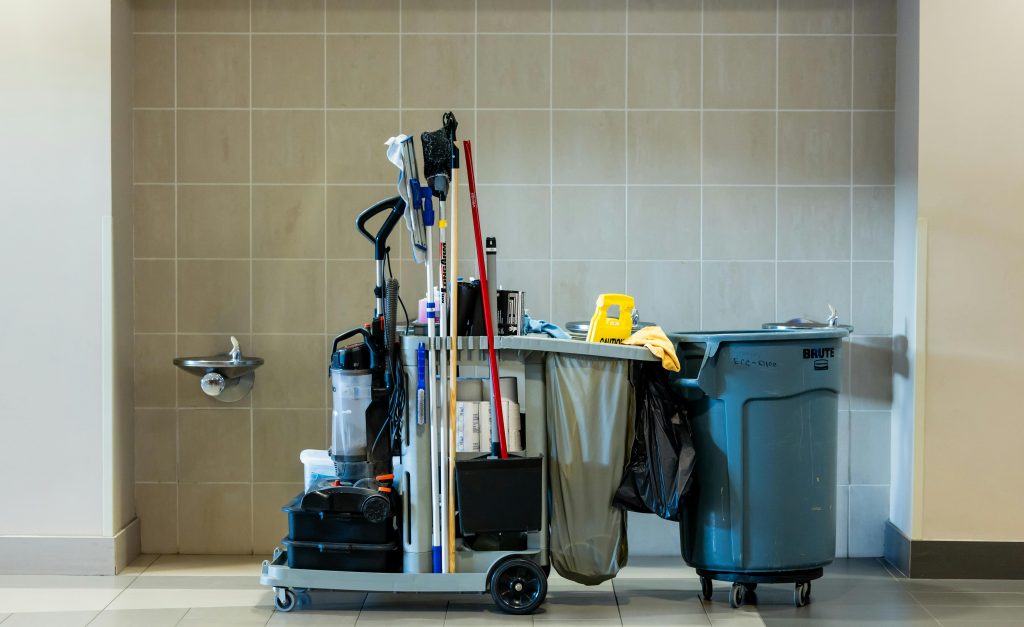
Many office managers in Nairobi ask this question: What is the difference between regular cleaning and deep cleaning?
Regular cleaning focuses on daily tasks such as:
- Sweeping floors
- Emptying bins
- Dusting desks
- Cleaning washrooms
- Mopping surfaces
Deep cleaning office spaces goes much further. It targets areas that are often missed during routine cleaning.
Professional office cleaning Nairobi deep cleaning services usually include:
- Carpet shampooing and extraction
- Upholstery cleaning
- Deep sanitization of shared spaces
- Cleaning behind furniture and equipment
- Air vent and high-touch surface cleaning
- Stain and odor removal
Think of regular cleaning as maintenance, while deep cleaning restores the office environment.
How Often Should You Schedule Office Deep Cleaning?
The right cleaning schedule depends on office size, traffic, and daily activity.
Small Offices (5–15 Staff)
Small offices in places like Lavington or Kilimani usually need professional deep cleaning every 3–4 months.
Even with fewer employees, dust still settles into carpets, office chairs, and corners. Shared kitchens and washrooms also need periodic sanitization.
For offices with carpets, scheduling regular carpet cleaning services in Nairobi helps maintain cleanliness between major deep cleans.
Medium Offices (15–50 Staff)
Medium-sized offices in Upper Hill and the Nairobi CBD often experience higher foot traffic and more shared workspaces.
For these offices, Office Deep Cleaning in Nairobi is recommended every 2–3 months.
Meeting rooms, reception areas, and common spaces collect dirt quickly. During rainy months, mud and moisture can also create odors and stains.
High-Traffic Commercial Spaces
Commercial spaces such as customer service centers, clinics, co-working spaces, and retail offices usually require monthly deep cleaning.
High traffic means:
- More dust accumulation
- Faster carpet wear
- Increased bacteria on shared surfaces
- More visible dirt and stains
Businesses handling clients daily should maintain a stricter commercial cleaning frequency schedule to protect both staff and customers.
Why Nairobi Offices Need More Frequent Deep Cleaning
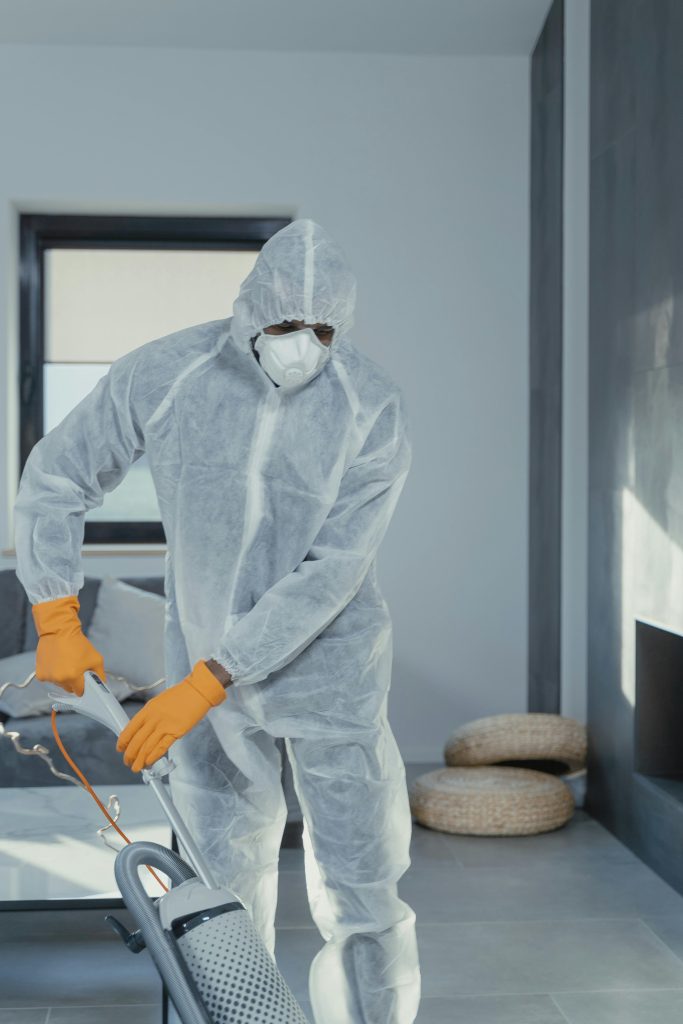
Anyone working in Nairobi knows how quickly dust builds up.
Last dry season, offices around Westlands and the CBD struggled with dusty carpets and dirty window sills due to heavy traffic and construction nearby. During rainy periods, muddy shoes and damp carpets become the bigger issue.
Several local factors make commercial cleaning Nairobi services more necessary:
Dust and Traffic Pollution
Nairobi roads generate a lot of dust, especially in busy commercial zones. Dust settles into carpets, chairs, blinds, and electronics.
Rainy Season Challenges
Rain brings muddy floors, damp carpets, and moisture buildup. Without proper cleaning, this can lead to odors and bacteria growth.
Shared Office Spaces
Modern offices often share kitchens, washrooms, and meeting rooms. These high-touch areas need deeper sanitization to maintain workplace hygiene.
According to World Health Organization workplace hygiene guidelines, maintaining clean indoor environments supports healthier workplaces and reduces the spread of illness.
Warning Signs Your Office Is Overdue for Deep Cleaning
Sometimes offices look clean on the surface but still need professional attention.
Watch for these signs:
- Persistent odors in carpets or furniture
- Dust returning quickly after cleaning
- Stains on office chairs or carpets
- Employees sneezing or complaining about allergies
- Dirty corners or buildup around furniture
- Washrooms losing freshness quickly
If employees or visitors start noticing these issues, the office likely needs immediate deep cleaning office services.
What Happens During a Professional Office Deep Clean
A professional deep clean covers much more than basic office cleaning.
Typical services include:
- Carpet steam cleaning
- Upholstery and chair cleaning
- Floor scrubbing and polishing
- Window and glass cleaning
- Sanitization of high-touch areas
- Washroom deep cleaning
- Kitchen and breakroom cleaning
Many Nairobi businesses also combine deep cleaning with upholstery cleaning services to refresh office chairs, sofas, and waiting areas.
Professional cleaners use industrial equipment designed to remove hidden dirt and bacteria more effectively than standard cleaning tools.
Professional vs Casual Deep Cleaning
Some businesses rely on casual or in-house cleaning for deep cleaning tasks. While this may help temporarily, the results are often limited.
| Professional Deep Cleaning | Casual Cleaning |
|---|---|
| Uses industrial equipment | Uses basic tools |
| Deep stain removal | Surface-level cleaning |
| Proper sanitization | Limited disinfection |
| Cleans hidden areas | Focuses on visible areas |
| Longer-lasting results | Dirt returns faster |
Professional office cleaners also follow workplace safety procedures. Kenya’s Directorate of Occupational Safety and Health Services (DOSH) recommends maintaining clean and safe work environments to reduce workplace health risks.
How Deep Cleaning Supports Your Regular Cleaning Routine
Regular cleaning keeps an office tidy day to day, but deep cleaning maintains long-term hygiene and comfort.
Without periodic deep cleaning:
- Carpets wear out faster
- Furniture collects allergens
- Odors build up
- Office appearance declines
Combining routine cleaning with scheduled deep cleaning creates a healthier workspace and helps businesses maintain a professional image.
Many companies in Nairobi now combine weekly maintenance with quarterly office cleaning services in Nairobi for better long-term results.
FAQs About Office Deep Cleaning in Nairobi
How often should offices schedule deep cleaning?
What is included in office deep cleaning?
Why is deep cleaning important for offices?
Deep cleaning removes hidden dirt, bacteria, allergens, and odors that regular cleaning cannot fully eliminate.
Does deep cleaning improve workplace hygiene?
How long does office deep cleaning take?
Final Thoughts
Keeping an office clean in Nairobi takes more than daily sweeping and wiping. Dust, rainy weather, and constant foot traffic make professional deep cleaning an important part of workplace maintenance.
A proper deep cleaning schedule helps improve hygiene, employee comfort, and the overall appearance of the workspace. Whether you manage a small office in Kilimani or a busy commercial space in Upper Hill, regular deep cleaning can make a noticeable difference.
If your workspace is due for professional cleaning, explore our office cleaning services in Nairobi to maintain a cleaner and healthier office environment.