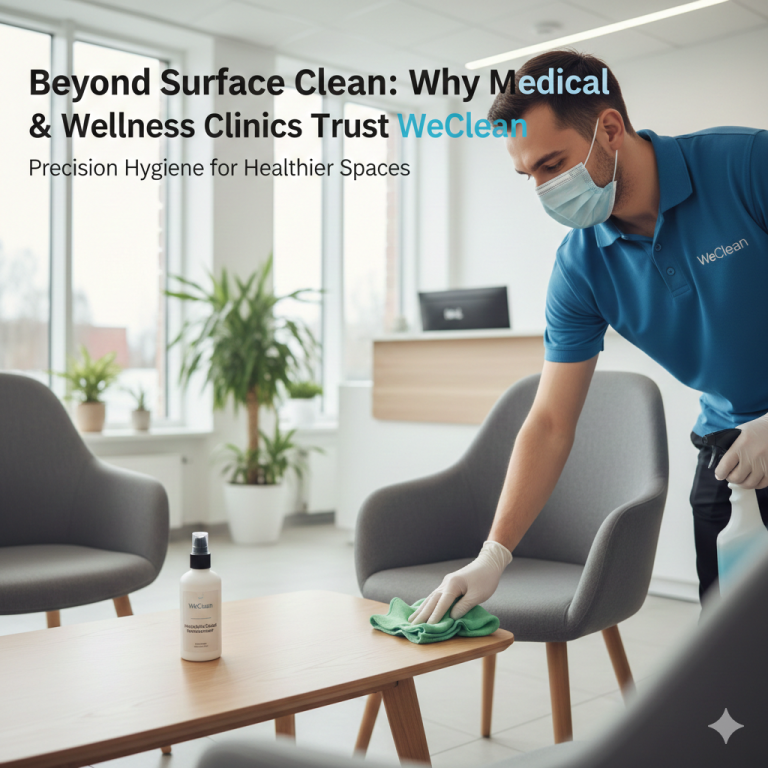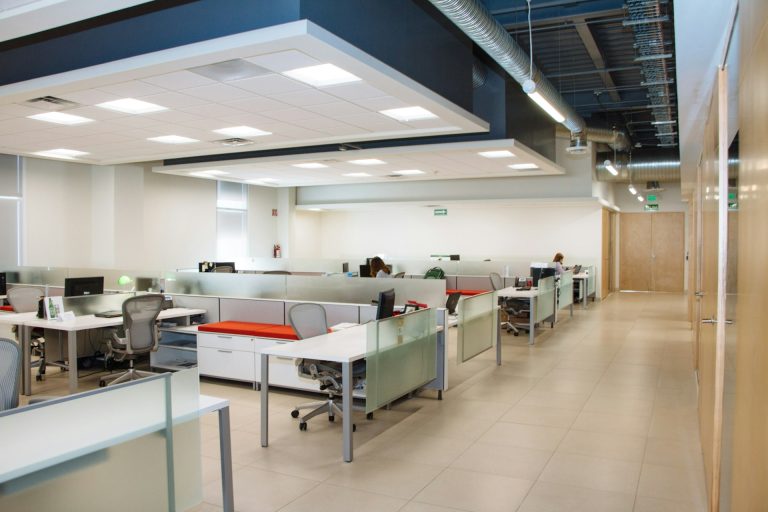


Many businesses invest in routine cleaning, sweeping floors, wiping desks, emptying bins. But even with daily cleaning, offices in Nairobi often start to feel dusty, musty, or simply “not fresh.” So how often should you actually schedule office deep cleaning in Nairobi?
The answer depends on your space, foot traffic, and how your office is used. In this guide, we break it down step-by-step so you know when routine cleaning is enough — and when it’s time to go deeper.
Regular Cleaning vs Deep Cleaning, What’s the Difference?
Before talking about frequency, it’s important to understand the difference.
Routine Office Cleaning
Usually done daily or several times per week:
- Sweeping and mopping floors
- Emptying trash bins
- Wiping desks and surfaces
- Basic washroom cleaning
This maintains surface-level cleanliness.
Office Deep Cleaning
Done periodically and more intensively:
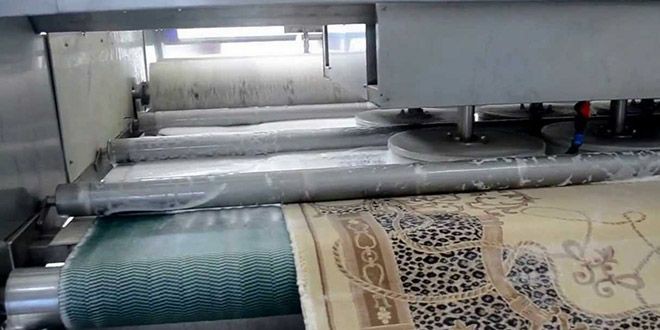
- Carpet shampooing and extraction
- Upholstery cleaning
- Detailed washroom descaling
- Cleaning behind and under furniture
- High-touch surface sanitization
- Air vent and hard-to-reach dust removal
Deep cleaning addresses hidden dirt, bacteria, and odors that routine cleaning cannot fully eliminate.
So, How Often Should You Deep Clean Your Office?
Here’s a practical guideline based on Nairobi business environments:
Small Offices (5–15 Staff)
Every 3–6 months
If foot traffic is moderate and routine cleaning is consistent, deep cleaning twice a year is usually sufficient.
Medium Offices (15–50 Staff)
Every 2–3 months
More staff means more shared spaces, more washroom use, and more accumulated dust — especially in busy areas like Westlands or Upper Hill.
High-Traffic Offices & Commercial Spaces
Monthly or Bi-Monthly
This includes:
- Call centers
- Shared workspaces
- Clinics
- Retail spaces
High foot traffic increases dirt buildup and germ spread, making more frequent deep cleaning necessary.
Why Offices in Nairobi Need Regular Deep Cleaning
1️⃣ Dust Levels Are Higher Than You Think
Nairobi’s construction growth and dry seasons contribute to dust accumulation. Even well-maintained offices experience buildup in carpets, vents, and upholstery.
Routine cleaning removes visible dust. Deep cleaning removes what settles deep within fibers and corners.
2️⃣ Rainy Season = Mud & Odor Issues
During rainy months, mud and moisture get tracked indoors. Over time, this leads to:
- Carpet stains
- Musty smells
- Bacterial growth in damp areas
Deep cleaning prevents long-term damage.
3️⃣ Shared Workspaces Spread Germs
High-touch areas such as:
- Door handles
- Light switches
- Shared desks
- Meeting room tables
Require periodic sanitization beyond surface wiping.
According to global workplace hygiene guidance from the World Health Organization, consistent cleaning and disinfection significantly reduce the spread of infectious agents in shared environments.
Warning Signs Your Office Is Overdue for Deep Cleaning
Not sure if it’s time? Watch for these signs:
- Persistent odors even after cleaning
- Stained carpets or upholstery
- Increased staff complaints about hygiene
- Visible dust on vents and high surfaces
- Washrooms that feel clean but smell unpleasant
If you notice two or more of these, routine cleaning is no longer enough.
Step-by-Step: What Happens During a Professional Deep Clean?
When you schedule professional office deep cleaning in Nairobi, here’s what should typically happen:
Step 1: Assessment
The cleaning team evaluates:
- Size and layout
- Carpet and upholstery condition
- Washroom state
- High-traffic zones
Step 2: Equipment Setup
Professional-grade machines are brought in for:
- Carpet extraction
- Floor scrubbing
- Upholstery cleaning
Step 3: Intensive Cleaning
This includes:
- Moving light furniture
- Cleaning behind appliances
- Sanitizing high-touch surfaces
- Deep scrubbing washrooms
Step 4: Final Inspection
A quality check ensures no areas were missed.
This is very different from casual or surface-level cleaning.
Professional vs Casual Deep Cleaning
Here’s where many Nairobi businesses make mistakes.
Casual Deep Cleaning:
- Basic scrubbing
- Household tools
- No extraction machines
- No sanitization process
Professional Deep Cleaning:
- Industrial equipment
- Structured checklist
- Trained staff
- Proper chemical handling
- Targeted sanitization
Choosing professional services ensures your investment actually improves hygiene, not just appearance.
How Deep Cleaning Supports Routine Cleaning
Deep cleaning resets your office environment.
After a proper deep clean:
- Routine cleaning becomes more effective
- Odors reduce significantly
- Carpets last longer
- Staff satisfaction improves
Many businesses combine periodic deep cleaning with regular commercial office cleaning services for consistent results.
Frequently Asked Questions
How long does office deep cleaning take?
It depends on size. Small offices may take a few hours, while larger commercial spaces may require a full day.Can deep cleaning be done after working hours?
Yes. Most professional cleaning companies schedule services in the evening or on weekends to avoid disruption.Is deep cleaning expensive?
Costs vary based on size and services required. However, delaying deep cleaning can lead to higher long-term maintenance costs.Does deep cleaning include carpet cleaning?
Yes, carpet extraction and stain removal are typically part of a full office deep clean.
Final Thoughts
Routine cleaning keeps your office looking presentable. Deep cleaning keeps it healthy. For most businesses in Nairobi, scheduling office deep cleaning every 2–6 months is ideal, depending on size and traffic levels.
If your workspace feels less fresh than it should, even after regular cleaning, it may be time to go beyond the surface. A properly scheduled deep cleaning restores hygiene, improves air quality, and creates a better environment for staff and clients alike. Professional cleaning standards recognized by ISSA